
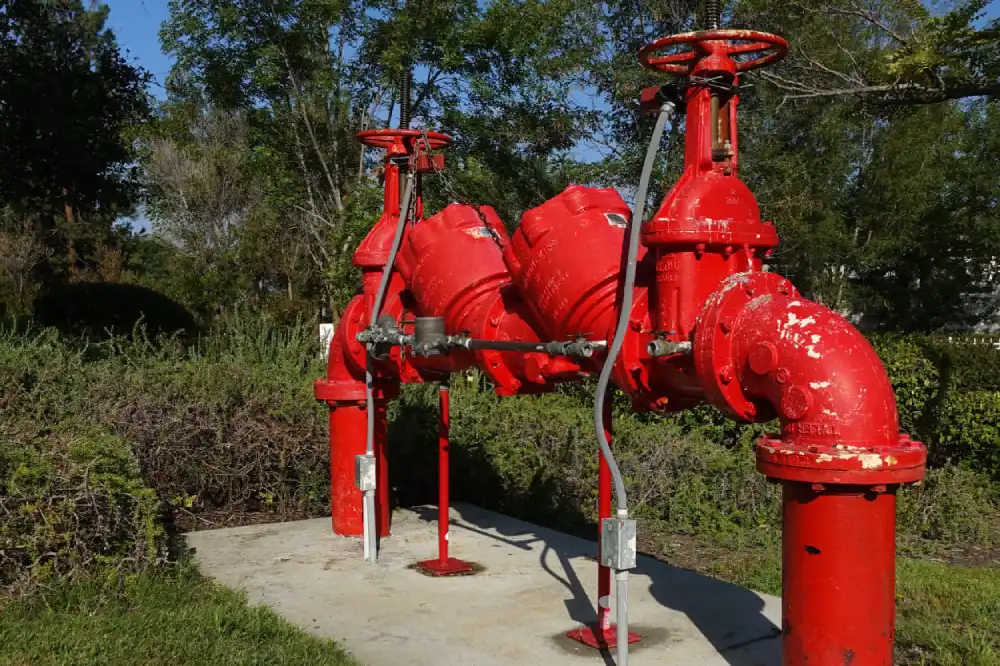
If you’re planning a new fire sprinkler system—or modifying an existing one—in the City of Los Angeles, you’ve probably heard about the new backflow prevention requirements from the Los Angeles Department of Water and Power (LADWP).
These new backflow preventer regulations have raised many questions from homeowners, contractors, and developers. What changed? Why is a backflow preventer now required? Will it affect my project? Will it need ongoing maintenance?
Here’s what you need to know.
What Changed?
Effective July 1, 2025, LADWP implemented new cross-connection control requirements for both commercial and residential fire sprinkler systems. These changes stem from updated statewide cross-connection control regulations designed to better protect the public drinking water supply. Under the new requirements, many fire sprinkler systems now require an approved backflow prevention assembly that may not have been required under previous standards.
What Is a Backflow Preventer?
A fire sprinkler backflow preventer is a mechanical device installed on the water service that prevents water from flowing backward into the public water system.
Although fire sprinkler systems are connected to the same potable water supply as your home or building, water can remain stagnant inside sprinkler piping for long periods of time. The purpose of the backflow assembly is to ensure that water from the fire sprinkler system cannot flow back into LADWP’s drinking water distribution system.
What Type of Device Is Required?
For many residential and commercial fire protection systems, LADWP now requires at least a Double Check Valve Assembly (DCVA). Depending on the specific installation and the degree of hazard, a different type of backflow assembly may be required.
Because every project is unique, it’s important to verify the required assembly with LADWP before construction begins. The utility specifically recommends confirming the approved device before installation.
How Does This Affect My Project?
Adding a backflow preventer introduces several new considerations during design and construction.
These include:
- Additional equipment that must be installed.
- Space requirements for the backflow assembly.
- Required clearances for testing and maintenance.
- Additional permitting and inspection requirements.
- Pressure loss across the backflow assembly that must be accounted for during hydraulic calculations.
Planning for these requirements early helps avoid costly redesigns or delays later in the project.
Existing Fire Sprinkler Systems
Many property owners wonder whether they will be required to retrofit an existing fire sprinkler system.
The answer depends on the circumstances. Existing systems are not automatically required to be upgraded simply because the regulations changed. However, certain system modifications, changes in use, or water service work may trigger compliance with the current LADWP requirements.
If you’re planning a remodel, tenant improvement, addition, or fire sprinkler modification, it’s worth reviewing your project requirements before construction begins.
Annual Backflow Testing Is Required
Unlike some plumbing components that can be installed and forgotten, approved backflow prevention assemblies require ongoing maintenance.
Once installed, the assembly must typically be tested annually by a certified backflow tester, with the results submitted to LADWP to maintain compliance. This annual test is part of the backflow preventer certification process and helps keep your system in good standing with LADWP. If the assembly fails testing, it must be repaired or replaced.
Property owners should budget for this recurring maintenance as part of owning a fire sprinkler system.
Why Early Coordination Is So Important
Because these new requirements affect both the fire sprinkler design and the domestic water service, coordination between the owner, architect, civil engineer, plumber, fire sprinkler contractor, and general contractor has become even more important.
Waiting until construction has begun to address the backflow requirements can result in redesigns, permit revisions, additional costs, and project delays.
By discussing these requirements early in the design process, the project team can ensure that the proper device is selected, hydraulic calculations account for the pressure loss, and sufficient space is reserved for installation and future testing.
How American Fire Protection Systems Can Help
At American Fire Protection Systems, we stay current with changing fire safety regulations so our clients don’t have to.
Whether you’re building a custom home, multifamily project, commercial building, or tenant improvement, we’ll coordinate with your design team, general contractor, plumber, and LADWP to help ensure your fire sprinkler system complies with the latest backflow prevention requirements.
Our goal is to identify potential issues early, minimize construction delays, and deliver a code-compliant fire sprinkler system that keeps your project moving forward.
If you’re planning a project in the City of Los Angeles and have questions about the new LADWP backflow requirements, contact American Fire Protection Systems. We’re happy to help you understand what applies to your project before construction begins.
FAQs
How often does a backflow preventer need to be tested?
Fire sprinkler backflow testing is generally required annually and must be performed by a certified backflow tester, although local regulations or the water authority may require more frequent testing in certain situations. Regular inspections help ensure the device functions properly and remains compliant with applicable codes.
What are the penalties for not complying with LADWP backflow requirements?
Failure to comply with LADWP backflow requirements may result in notices of violation, fines, interruption of water service, failed fire sprinkler system inspections, or delays in obtaining occupancy or operating permits. Staying current with required testing and maintenance helps property owners avoid costly penalties and maintain compliance.