
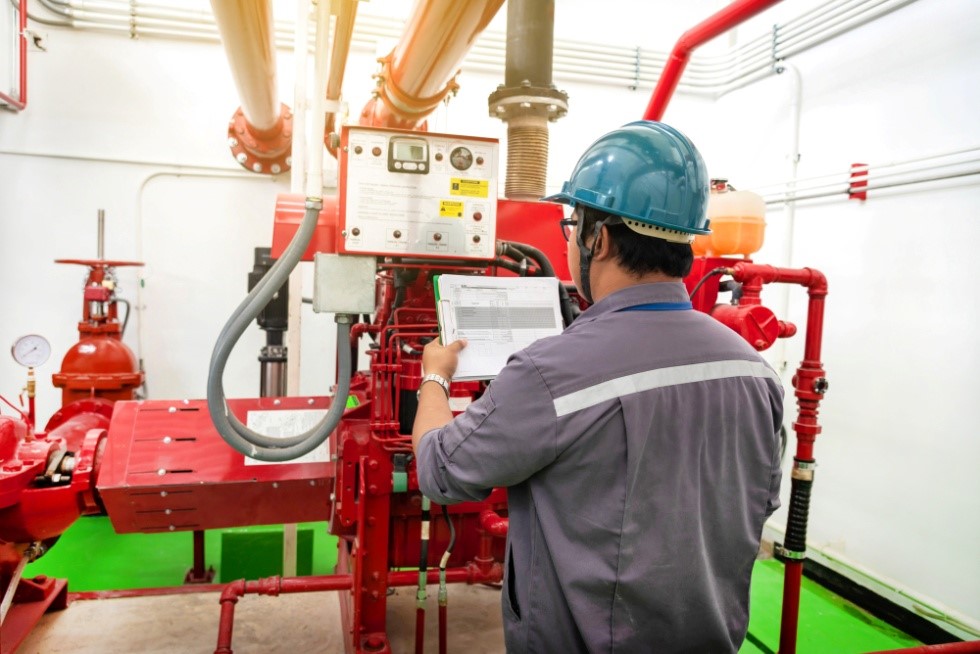
If you own or manage a property in Los Angeles, keeping your fire sprinkler system in proper working order is one of the most important responsibilities you have. A system that looks fine on the surface may still have hidden problems that prevent it from functioning when a fire breaks out.
Regular fire sprinkler inspections are the only reliable way to catch those problems before they become dangerous. Understanding the required fire sprinkler inspection frequency for your property helps keep occupants protected while also helping you avoid penalties and compliance issues.
Understanding fire sprinkler inspection laws in Los Angeles
Fire sprinkler inspections in Los Angeles are regulated through a combination of national standards, California state laws, and local fire department requirements.
NFPA 25 requirements
NFPA 25 is the national standard governing the inspection, testing, and maintenance of water-based fire protection systems. It outlines how often systems should be checked and what components require inspection. Building owners are responsible for maintaining proper records and ensuring inspections are completed on schedule to maintain NFPA compliance.
Title 19 overview
Title 19 establishes fire safety regulations for buildings across California. These regulations reinforce the need for routine inspection, testing, and maintenance of fire protection equipment. Property owners who fail to comply may face citations, penalties, or delays during official inspections.
Local AHJ compliance considerations
The Authority Having Jurisdiction (AHJ) is typically the local fire department or fire marshal responsible for enforcing fire safety regulations. In Los Angeles, the AHJ may require additional inspections depending on the building type, occupancy, or condition of the fire sprinkler system. Local officials may also review maintenance records during inspections to verify fire safety compliance.
How often should fire sprinkler systems be inspected
Fire sprinkler systems must be inspected at different intervals throughout the year. Each inspection focuses on specific system components and performance checks.
Monthly fire sprinkler inspection
A monthly fire sprinkler inspection focuses on the most visible and accessible components of your system. These checks can be performed in-house by some property owners or facility managers, though having a certified fire sprinkler inspector review the results adds an extra layer of reliability.
Monthly checks typically cover:
- Control valves to confirm they are in the open position
- Gauges on wet and dry systems to verify pressure readings are within the normal range
- Alarm valves and fire department connections for visible damage
- Areas around sprinkler heads for obstructions or physical damage
These quick visual inspections help identify obvious issues between more comprehensive service visits.
Quarterly fire sprinkler inspection
A quarterly fire sprinkler inspection in Los Angeles is more thorough than a monthly walkthrough. These inspections are typically performed by a certified fire sprinkler inspector and cover components that require hands-on testing.
Quarterly inspections usually include:
- Testing waterflow alarms to confirm they activate correctly
- Inspecting valve supervisory signals
- Checking the condition of all gauges and pressure switches
- Verifying that alarm notification devices are functioning properly
Commercial properties, multi-family housing complexes, and industrial facilities often have more complex systems, making quarterly inspections especially important for maintaining compliance and system reliability.
Annual fire sprinkler system inspection
The annual fire sprinkler system inspection is the most comprehensive evaluation your system will undergo each year. Conducted by a licensed fire sprinkler company in Los Angeles, this inspection reviews all major components of the fire protection system.
An annual inspection typically includes:
- A full sprinkler head inspectionto check for corrosion, paint overspray, or damage
- Testing of all dry, deluge, and pre-action systems
- Internal inspections of pipe systems, as required by NFPA 25
- Review of obstruction investigation findings
- Testing of backflow preventers and fire pumps
- Full documentation of system condition for NFPA compliance records
Annual inspections are required under Los Angeles fire code compliance standards. Failing to schedule them can place your property at risk and may lead to issues during fire marshal audits or insurance evaluations.
Five-year and other periodic inspections
Beyond the standard annual cycle, NFPA 25 also requires periodic internal inspections of sprinkler piping every 5 years to check for obstructions, such as scale, sludge, or debris, that could block water flow. Some systems, including dry pipe systems, may also require additional testing cycles based on their design and age.
A qualified fire protection inspector can review your system’s history and identify which periodic inspections apply to your specific setup. Keeping detailed records of all inspections makes it easier to demonstrate compliance and plan ahead for upcoming requirements.
What happens during a fire sprinkler inspection
Professional inspections involve several steps designed to evaluate the condition and performance of the system.
Checking sprinkler heads
Inspectors perform a detailed sprinkler head inspection to identify damage, corrosion, paint buildup, dust accumulation, or improper positioning. Damaged sprinkler heads may fail to activate correctly during a fire.
Valve and gauge inspections
Valves and gauges are checked to confirm they remain accessible, properly labeled, and fully operational. Inspectors verify pressure readings and confirm that valves are in the correct open position.
Water flow testing
Water flow testing helps verify that water moves through the system properly and activates alarms when required. This process confirms that the system can deliver adequate water pressure during a fire emergency.
Fire department connection checks
Inspectors examine fire department connections for visible damage, missing caps, leaks, or obstructions. These connections allow firefighters to supply additional water to the sprinkler system during an emergency.
Why Los Angeles properties need routine inspections
Routine inspections are especially important in Los Angeles due to high building density, environmental risks, and strict local safety regulations.
High occupancy buildings and safety risks
Los Angeles is home to some of the most densely occupied residential and commercial buildings in the country. When a fire breaks out in a high-occupancy structure, every second counts.
A well-maintained sprinkler system can suppress or contain a fire before occupants are seriously harmed. For this reason, buildings with larger populations are held to stricter inspection and maintenance requirements.
Earthquake considerations
Southern California’s seismic activity creates unique risks for fire protection systems. Pipe joints can shift or loosen after an earthquake, and sprinkler heads can be knocked out of alignment by building movement.
Post-seismic inspections are strongly recommended for any property that experienced shaking, even if no visible damage is apparent.
Insurance and legal compliance
Most commercial property insurance policies require documented proof of regular fire sprinkler inspections. Failure to maintain proper inspection records may result in reduced coverage or denied claims after a fire-related loss.
Working with a certified fire sprinkler inspector and keeping detailed records helps protect both the property and the owner’s financial interests.
Avoiding costly penalties and system failures
Missed inspections may lead to code violations, failed audits, and expensive emergency repairs. Preventive maintenance usually costs less than replacing damaged system components after a failure occurs.
Common signs your fire sprinkler system needs immediate attention
Routine inspections catch most problems before they become critical, but property owners should also know which warning signs to watch for between scheduled visits.
Common signs of potential fire sprinkler system issues include:
- Visible rust, corrosion, or water stains around sprinkler heads or pipes
- Bent, cracked, or physically damaged sprinkler heads
- Gauge readings that fall outside the normal pressure range
- Sprinkler heads that have been painted over or blocked by shelving or equipment
- A waterflow alarm that activates without a fire or fails to activate during a test
If you notice any of these issues, contact a licensed fire sprinkler company in Los Angeles as soon as possible rather than waiting for the next scheduled inspection.
Tips for staying compliant year-round
Keep inspection records organized
Maintain a dedicated file for all inspection reports, test results, and repair records. NFPA 25 specifies how long records must be kept, and having them readily available during a fire marshal visit or insurance audit saves time and eliminates uncertainty.
Schedule preventive maintenance
Inspections identify problems, but preventive fire sprinkler maintenance addresses them before they grow. Replacing aging sprinkler heads, flushing pipes, and servicing valves on a regular schedule can extend the life of the system and reduce the likelihood of emergency repairs.
Respond quickly to deficiencies
When an inspection report identifies a deficiency, addressing it promptly is essential. Delaying repairs can put the system out of compliance and create liability exposure if a fire occurs before the issue is resolved.
Who can perform fire sprinkler inspections in Los Angeles
Importance of hiring licensed professionals
A certified fire sprinkler inspector understands current NFPA standards, California regulations, and local inspection requirements. Professional inspectors use specialized tools and testing procedures to evaluate system performance accurately.
Benefits of working with American Fire Protection Systems Inc.
American Fire Protection Systems Inc. has served residential and commercial property owners for decades. AFPS provides thorough inspections, transparent reporting, and responsive fire protection services throughout Los Angeles. Our team holds all required California licenses and has extensive experience with NFPA 25 and Title 19 compliance standards.
Conclusion
Routine fire sprinkler inspections help protect lives, property, and business operations across Los Angeles. Following the inspection schedules outlined by NFPA 25, California Title 19, and local fire authorities helps reduce fire risks and support long-term system performance.
Property owners who stay proactive with inspections and maintenance can avoid costly repairs, compliance issues, and unnecessary safety risks. Regular inspections remain one of the most effective ways to ensure fire sprinkler systems are ready to respond when emergencies occur.
Frequently Asked Questions
How often do fire sprinkler systems need to be inspected?
Fire sprinkler systems require monthly, quarterly, annual, and five-year inspections depending on the system components and building requirements.
What does NFPA 25 require for sprinkler inspections?
NFPA 25 outlines inspection, testing, and maintenance schedules for water-based fire protection systems. The standard includes requirements for valves, gauges, sprinkler heads, alarms, and piping systems.
Are fire sprinkler inspections required in Los Angeles?
Yes. Commercial and many residential properties in Los Angeles must complete regular fire sprinkler inspections to meet local and state regulations.
What happens if I miss a required inspection?
Missing inspections may lead to fines, failed fire department inspections, insurance issues, and increased safety risks.
How long does a fire sprinkler inspection take?
Inspection times vary depending on property size and system complexity. Smaller buildings may take a few hours, while larger facilities may require a full day.
Why are five-year internal pipe inspections important?
Internal inspections help identify corrosion, debris buildup, or obstructions that may reduce water flow during emergencies.