
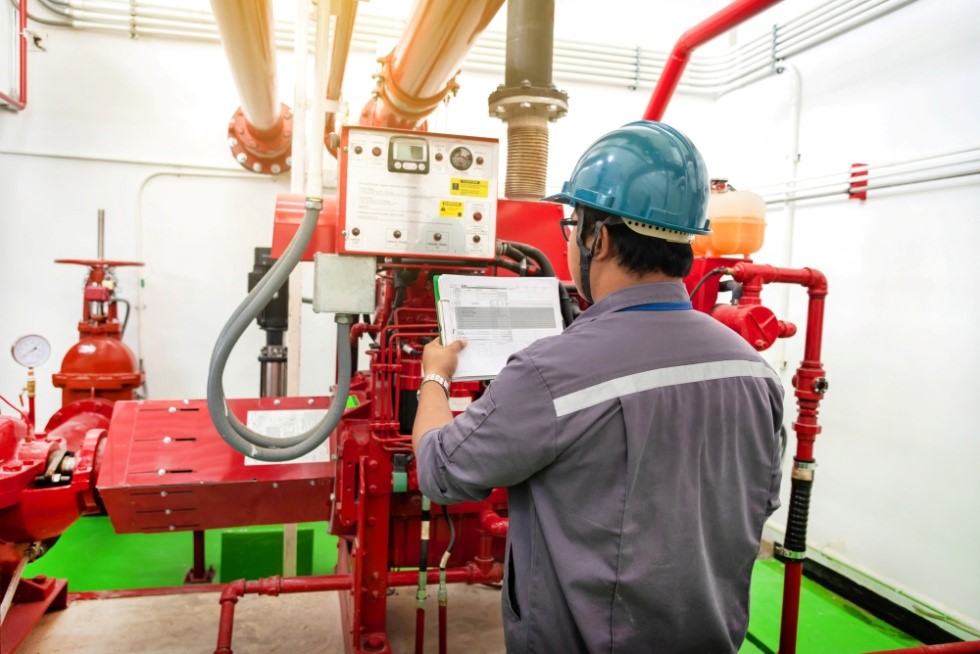
Los Angeles apartment buildings have several fire protection requirements that property owners need to manage carefully. Depending on the building, these may include fire sprinklers, alarm systems, fire extinguishers, standpipes, fire pumps, and up-to-date inspection records. Together, these components make up a building’s overall fire protection system and must be properly maintained.
The challenge is that these requirements vary from building to building. Factors such as the building’s age, height, layout, occupancy, previous upgrades, and installed equipment can all affect what must be inspected, tested, repaired, or documented. This guide breaks down the key apartment building fire protection requirements in Los Angeles so you can understand what to review, what to maintain, and where compliance issues most often arise.
Who is responsible for fire protection compliance?
Apartment building owners are generally responsible for keeping fire protection systems in proper working condition. A property manager, maintenance team, or fire protection service provider may help schedule the work, but the owner is ultimately responsible for ensuring that inspections, repairs, and recordkeeping do not fall behind.
You should know when each system was last checked, whether any issues were found, and whether those issues were corrected. Staying organized can prevent last-minute stress when an inspection, property sale, insurance review, or tenant concern comes up.
What fire protection systems are required in apartment buildings?
The exact systems required depend on your property. In Los Angeles apartment buildings, common residential fire protection systems can include
Fire sprinkler systems
Fire sprinklers help limit the spread of fire and give residents a safer path to exit the building. If your apartment building has a sprinkler system, it should be inspected, tested, and maintained according to the required schedule.
Sprinkler requirements can vary by property, so owners should ensure the system remains accessible, service records are up to date, and any identified issues are corrected promptly.
Fire alarm and detection systems
Fire alarm systems help alert residents when smoke, heat, sprinkler water flow, pull stations, or other devices activate the system. Depending on the building, the system may include an alarm control panel, notification devices, monitoring connections, and smoke or heat detectors.
Regular testing helps confirm that signals are transmitted and received properly, allowing residents to be alerted quickly when action is needed.
Fire extinguishers
Fire extinguishers are often placed in corridors, garages, laundry rooms, mechanical rooms, electrical rooms, and other shared areas. They should be clearly visible, easily accessible, properly mounted, and serviced according to the required schedule.
A blocked extinguisher, missing service tag, damaged cabinet, or overdue inspection can quickly become a compliance issue.
Standpipes, fire pumps, and fire department connections
Larger or taller apartment buildings may have standpipes, fire pumps, and fire department connections. These systems support firefighting operations, so they must remain accessible, properly maintained, and ready for use.
Fire department connections should remain visible and free of obstructions, including landscaping, storage, parked vehicles, and construction materials.
Emergency lighting, exit signs, and exit routes
Residents need clear, visible paths to exit the building during a fire, smoke emergency, or power outage. Exit signs, emergency lighting, stairwells, corridors, exit doors, and other common areas should be properly maintained and kept clear of obstructions.
Storage in stairwells, blocked corridors, locked exit doors, damaged emergency lights, or missing signage can create serious safety and compliance risks.
Fire protection testing and inspection requirements in Los Angeles
Los Angeles apartment buildings may require testing and inspections of fire protection equipment, such as sprinklers, fire alarm systems, standpipes, fire pumps, and other life-safety systems. These inspections help verify that each system is functioning properly and that all required records are up to date.
The California Fire Code, Los Angeles Fire Department requirements, and system-specific standards can all affect how fire protection equipment is inspected, tested, repaired, and documented. If a deficiency is identified, the system may require repairs, updated documentation, and, in some cases, follow-up testing to confirm that the issue has been corrected.
How often do fire protection systems need inspection and maintenance?
Inspection schedules vary depending on the type of system and the building’s specific conditions. Some components may require routine visual checks, while others may require annual testing, five-year testing, or additional service after repairs.
A practical maintenance plan should track:
- Fire protection systems installed throughout the apartment building
- Recent inspection, testing, service, and repair dates
- Upcoming inspection deadlines for each required system
- Open deficiencies found during testing or inspection
- Completed repairs, corrections, and follow-up testing or service
- Inspection reports, certificates, test results, and service records
Keeping this information organized helps you stay prepared for fire marshal inspections and provides a clearer picture of your building’s overall fire protection status.
Common fire code issues in apartment buildings
Apartment buildings experience daily activity from residents, guests, vendors, and maintenance teams. Over time, shared spaces can develop issues that affect safety and compliance.
Common fire code issues may include blocked exits, expired fire extinguisher service tags, missing inspection records, damaged alarm devices, sprinkler obstructions, storage in electrical rooms, inaccessible fire department connections, faulty emergency lighting, and unresolved deficiencies.
Regular walk-throughs can help you catch visible problems before they become larger safety or compliance issues.
How to keep apartment buildings fire code compliant
A consistent maintenance routine can help reduce missed inspections, recordkeeping gaps, and fire code violations.
- Check common areas regularly: Look for blocked extinguishers, damaged alarms, missing signs, faulty emergency lighting, or tenant storage in restricted spaces.
- Schedule service on time: Arrange inspections, testing, and maintenance before tags, certificates, or required service records become outdated.
- Correct deficiencies quickly: Address failed tests, damaged devices, blocked equipment, or missing items before they create larger compliance concerns.
- Document completed work: Keep proof of inspections, repairs, corrections, follow-up testing, and service visits so you can show what was completed and when.
- Keep records organized: Store inspection reports, test results, service invoices, deficiency notices, correction confirmations, and certificates in one accessible place.
When to call a fire protection professional
You should contact a qualified fire protection provider when inspections are due, records are missing, equipment is damaged, deficiencies remain unresolved, or you are unsure what your building requires.
When choosing a fire protection company in Los Angeles, property owners should look for a team with experience servicing apartment buildings, knowledge of local testing requirements, strong documentation practices, and expertise in the systems installed at their property.
At American Fire Protection Systems Inc., we help apartment building owners keep their fire protection systems properly maintained, documented, and prepared for inspections.
Final thoughts
Fire protection requirements can feel detailed, but they become much easier to manage with a clear plan. Know your building’s fire protection systems, keep records up to date, schedule inspections early, and correct deficiencies before they create bigger problems.
Your residents rely on these systems during emergencies. Taking a proactive approach helps protect your property, your tenants, and your peace of mind.
Frequently asked questions
What fire protection systems are required in apartment buildings?
Apartment buildings may need sprinklers, fire alarms, smoke detection, extinguishers, standpipes, fire pumps, exit signs, emergency lighting, and clear exit routes.
How do I keep my apartment building fire code compliant?
Keep inspection records current, schedule testing on time, correct deficiencies promptly, maintain clear exit routes, service extinguishers, and make sure alarms, sprinklers, and other systems are properly maintained.
Are fire sprinklers required in apartment buildings?
Fire sprinklers may be required depending on the building’s age, height, construction type, occupancy, and applicable local requirements. A qualified fire protection professional can evaluate your specific property and determine what is required.
What helps improve apartment building fire safety?
Properly maintained sprinklers, alarms, extinguishers, and emergency lighting, as well as clear exits, current inspection records, and the timely correction of deficiencies, all help reduce fire and life safety risks for residents.
What affects apartment fire sprinkler requirements?
These requirements can depend on a building’s age, height, layout, occupancy, existing systems, renovation history, and the local fire department’s review during compliance checks.