
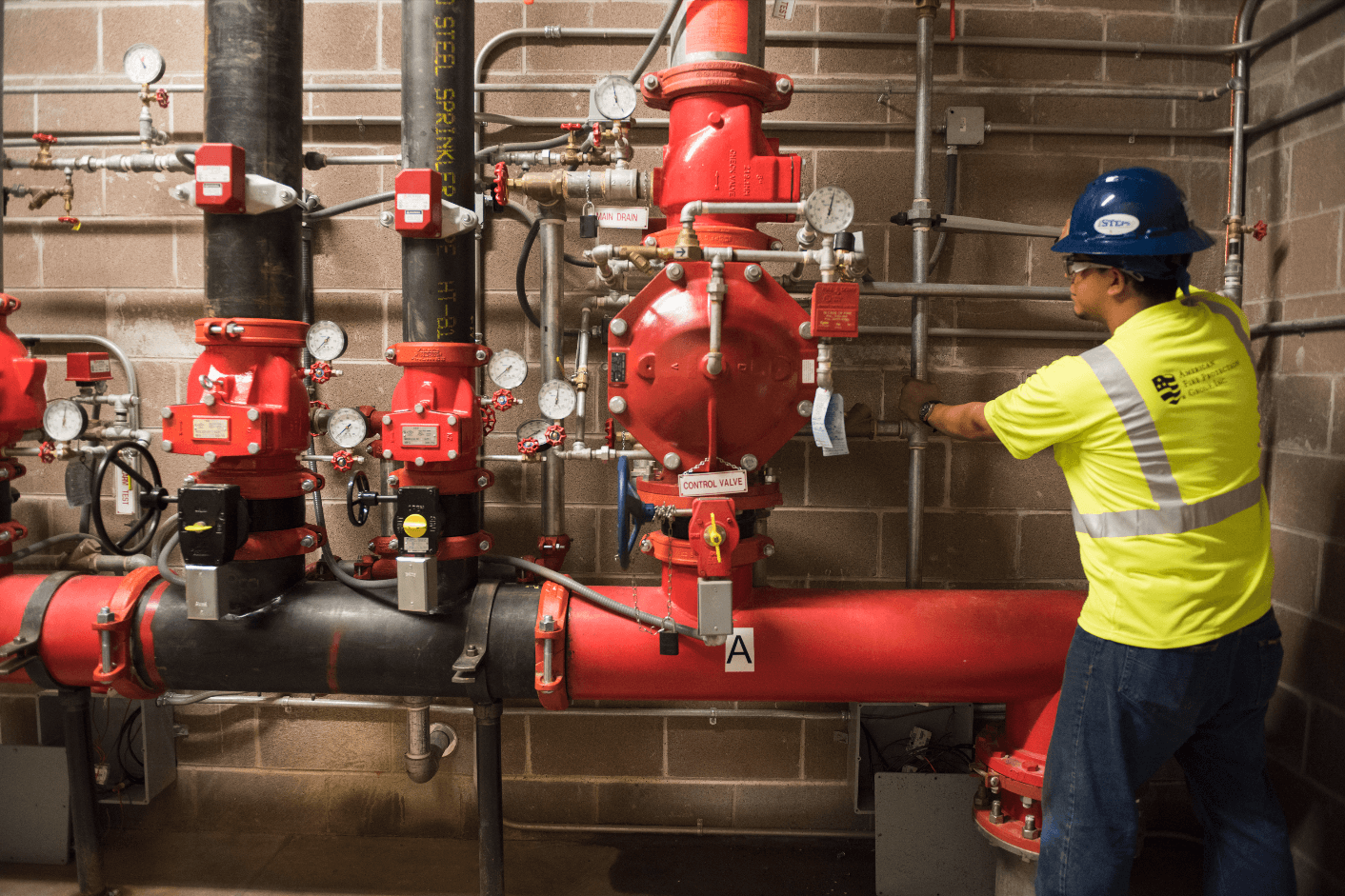
A fire sprinkler system is one of the most important investments you can make for your commercial property. But like any mechanical system, it can degrade, fall behind current safety standards, or simply wear out over time. The problem is that most building owners and property managers do not realize their system has become a liability until something goes wrong during an inspection, or worse, during an actual fire.
According to the National Fire Protection Association (NFPA), improperly maintained or outdated fire sprinkler systems are a leading cause of system failure during fire emergencies. Staying ahead of potential issues through regular fire system inspections and proactive commercial sprinkler system maintenance is the smartest way to protect your business, your employees, and everyone who enters your property each day.
Here are five warning signs that your commercial fire sprinkler system may be overdue for an upgrade.
1. Visible corrosion on pipes and sprinkler heads
One of the clearest signs of an aging system is rust buildup on the pipes or corrosion of the sprinkler head. Fire sprinkler pipes are typically made of steel or iron, and over time, they can become susceptible to internal and external corrosion, especially in humid or high-moisture environments.
Corroded pipes can restrict water flow and reduce system pressure during a fire emergency. Likewise, corroded sprinkler heads may fail to activate properly when needed or, in some cases, release water unexpectedly, causing costly water damage.
If you notice orange or brown staining near pipe joints, rust flaking around sprinkler heads, or any discoloration on system components, you should contact a licensed fire protection company in Los Angeles right away.
A professional fire system inspection can determine whether the corrosion is surface-level or a sign of more serious structural deterioration that requires immediate attention.
2. Your system has not been inspected on schedule
NFPA 25 sets the national standard for the inspection, testing, and maintenance of water-based fire protection systems. Under these guidelines, commercial buildings are required to have their systems inspected at defined intervals depending on the component type.
If your property has gone years without a professional evaluation, you may already be dealing with fire code violations without knowing it.
Skipping or delaying inspections creates serious risks. During a fire sprinkler inspection, trained technicians check for everything from blocked sprinkler heads and pipe corrosion to faulty control valves and inadequate water supply pressure. Without these evaluations, small issues can escalate into costly system-wide failures.
Incomplete or missing maintenance records are also a major warning sign that your commercial fire safety system needs immediate attention. Proper documentation is essential for fire sprinkler compliance and may be requested during inspections by local fire authorities.
3. The system no longer meets current fire codes
Fire codes are updated regularly to reflect new research, building construction methods, and hazard classifications. If your building has undergone renovations, changed occupancy type, or experienced an increase in occupant load, your original fire sprinkler system may no longer be adequate or compliant.
For example, an old fire sprinkler system originally designed for a warehouse may not offer sufficient coverage if the space has since been converted into offices or a retail environment. In other cases, the system may have been installed under outdated code standards that are no longer compliant today.
Failing to update your system to meet current fire sprinkler compliance standards can result in fines, forced closures, or increased liability if an incident occurs.
A qualified provider of fire protection and maintenance services can review your current installation against the latest NFPA standards and local building codes to identify any gaps that need to be addressed.
4. Components are obsolete or no longer manufactured
The fire protection industry has evolved significantly over the past few decades. Certain older sprinkler head models have been recalled or discontinued due to performance issues. If your system uses components that are no longer manufactured, sourcing replacement parts can become extremely difficult, and your system may not perform to modern standards.
Studies show that sprinkler systems over 50 years old are significantly more likely to experience component failure than newer installations. If your system falls into this category, a fire sprinkler system upgrade is necessary to maintain reliable commercial building fire protection.
Upgrading also gives you access to modern fire protection technology, including faster-activating sprinkler heads, more efficient water distribution, and corrosion-resistant materials.
5. Low water pressure or irregular system performance
A fire sprinkler system that performs inconsistently or shows signs of low water pressure is a serious warning sign. Water pressure plays a critical role in how effectively a sprinkler system can control or suppress a fire.
If technicians find that the pressure at certain points in the system has dropped below design specifications, it could indicate blocked pipes, corrosion buildup, leaks, or an inadequate water supply.
Irregular performance can also stem from changes to the building’s plumbing or water supply that were not coordinated with updates to the fire protection system. For example, a municipal water supply change that lowers available pressure can make an otherwise functional sprinkler system inadequate.
If your system has failed pressure tests or you have noticed water leaking or dripping from sprinkler heads without a fire event, these are signs that require immediate professional evaluation and may indicate the need for a fire sprinkler system upgrade.
The hidden costs of an outdated fire sprinkler system
An outdated fire sprinkler system can create serious safety and financial risks for commercial properties. Even if the system appears functional, hidden issues can lead to increased long-term costs, including:
- Frequent repairs and rising maintenance expenses
- Failed inspections and fire code violations
- Higher insurance premiums and increased liability risks
- Water leaks, corrosion, and unexpected system failures
- Inadequate protection that increases the risk of property damage
- Unexpected business downtime caused by system failures
Keeping an aging system in service for too long often becomes far more expensive than investing in proactive upgrades, repairs, or system retrofits.
Should you repair or replace your fire sprinkler system
The decision to repair or replace a commercial fire sprinkler system depends on the system’s age, condition, and overall reliability.
Repair may be the right choice if:
- The issue is isolated or minor
- The system still meets current fire codes
- Replacement parts are readily available
- The overall system remains in good condition
Replacement may be better if:
- The system frequently fails inspections
- Corrosion or leaks are widespread
- Components are outdated or discontinued
- The building has undergone renovations or occupancy changes
- Repair costs continue to increase over time
A professional inspection can help determine the most cost-effective and compliant solution for your property.
Benefits of modern commercial fire protection systems
Modern commercial fire protection systems offer improved performance, greater reliability, and better compliance with current safety standards.
Key benefits include:
- Faster fire detection and suppression
- Improved compliance with NFPA and local fire codes
- Lower maintenance and repair costs
- Better resistance to corrosion and leaks
- Better integration with fire alarms and monitoring systems
- Increased reliability during emergencies
- Better protection for employees, customers, and property
Upgrading to a modern sprinkler system can help businesses improve safety while reducing long-term operational and financial risks.
Schedule your inspection with American Fire Protection Systems Inc.
At American Fire Protection Systems Inc., we specialize in commercial sprinkler system maintenance, fire system inspections, and fire sprinkler system upgrades for businesses throughout Los Angeles County and the surrounding areas. Our experienced team can identify the warning signs of an outdated system and recommend practical, code-compliant solutions to keep your property protected.
Do not wait for a failed inspection or an emergency to take action. Contact us today to schedule an evaluation and get started on protecting what matters most.
Frequently asked questions
How often should fire sprinklers be inspected?
Commercial sprinkler systems should typically be inspected quarterly, annually, and at other intervals based on local codes and system type. Professional inspections help identify leaks, corrosion, pressure issues, and damaged components before they affect system performance.
What causes fire sprinkler systems to become outdated?
Age, corrosion, outdated components, building renovations, and changing fire safety codes are common reasons sprinkler systems become outdated. Older systems may no longer meet current safety requirements or provide adequate coverage.
What happens if my fire sprinkler system fails a code inspection?
If your system fails a fire code inspection, you will usually receive a notice of violation outlining the deficiencies that must be corrected. Depending on the severity of the issues, you may be given a deadline to complete the repairs or upgrades.
Can I upgrade part of my system instead of replacing it entirely?
Yes, in many cases, a partial upgrade or targeted repairs are possible. A licensed fire protection professional can assess which parts of your system are functioning properly and which need to be replaced or retrofitted.
What is the difference between inspection, testing, and maintenance?
Inspection checks for visible issues like corrosion, leaks, or damage. Testing confirms the system works properly, while maintenance keeps components in reliable working condition. Together, all three are required under NFPA 25 to maintain effective fire protection.